Bolivia is a country renowned for its diverse climate and geography, offering a range of climates from the mild to the extreme. The varying elevations and topography create distinct climate zones across the country, each with its own unique characteristics.
Category : Bolivia Climate and Geography | Sub Category : Bolivian Climate Zones Posted on 2025-02-02 21:24:53
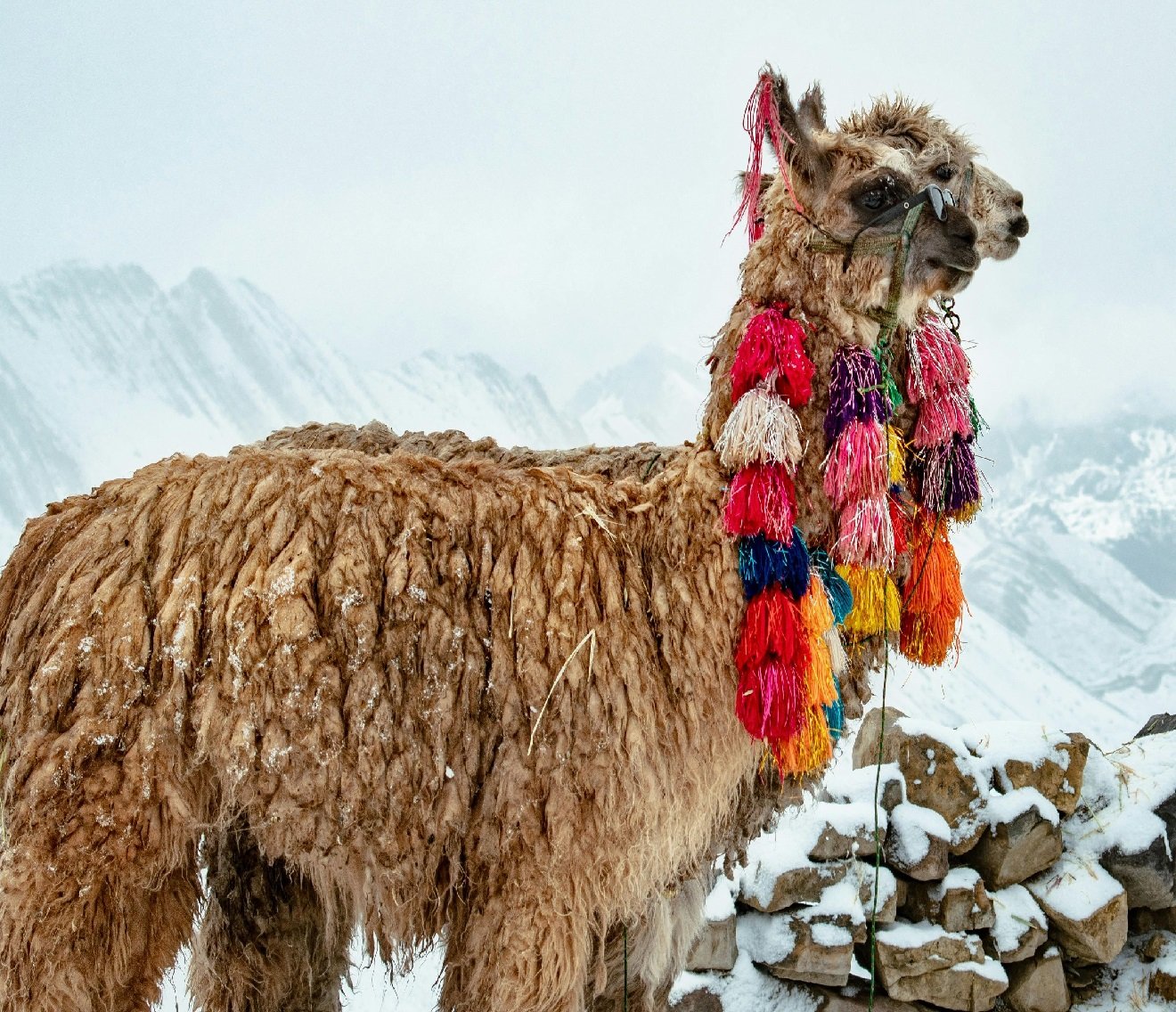
Bolivia is a country renowned for its diverse climate and geography, offering a range of climates from the mild to the extreme. The varying elevations and topography create distinct climate zones across the country, each with its own unique characteristics.
One of the most iconic climate zones in Bolivia is the Altiplano, a high plateau region located in the Andes mountains. Known for its cold and dry climate, the Altiplano experiences harsh winters with freezing temperatures and little precipitation. Despite the challenging conditions, this region is home to unique wildlife and indigenous cultures, making it a fascinating destination for visitors seeking a glimpse of traditional Andean life.
Moving down in elevation, the Yungas region offers a stark contrast to the Altiplano with its lush and tropical climate. Situated on the eastern slopes of the Andes, the Yungas is characterized by dense rainforests, abundant rainfall, and moderate temperatures. This fertile region supports a diverse ecosystem rich in biodiversity, making it a haven for nature lovers and eco-tourists.
In contrast to the Yungas, the Chaco region in southern Bolivia experiences a hot and dry climate, with temperatures soaring during the summer months. This arid landscape is dominated by lowland plains and scrub vegetation, creating a harsh environment for both wildlife and humans. Despite the challenging conditions, the Chaco is home to unique flora and fauna adapted to the desert environment, offering a glimpse into the resilience of life in extreme climates.
Overall, Bolivia's climate zones reflect the country's diverse geography and natural beauty, providing a rich tapestry of landscapes for visitors to explore. Whether you're drawn to the snowy peaks of the Andes, the vibrant rainforests of the Yungas, or the arid plains of the Chaco, Bolivia offers a world of wonders waiting to be discovered.
Leave a Comment:
SEARCH
Recent News
- Zurich is a vibrant city located in Switzerland and is well-known for its picturesque landscapes, rich history, and bustling business scene. The Spanish community in Zurich has been thriving, with many top companies from Spain making their mark in the city. These companies have not only contributed to the economy of Zurich but have also added diversity and innovation to the local business environment.
- Zurich, Switzerland is a vibrant city known for its stunning architecture, picturesque landscapes, and rich culture. One aspect of Zurich's cultural scene that often goes under the radar is its regional music. The city and its surrounding areas are home to a diverse range of musical styles, reflecting the multiculturalism and artistic diversity of the region.
- Top 5 Zurich Regional Movies You Must Watch
- Zurich, Switzerland: A Culinary Journey through Regional Cuisine
- Zurich, Switzerland is known for its rich culture and traditions, including traditional regional clothing that reflects the area's history and heritage. Swiss traditional clothing varies by region, with each area having its own unique style and designs. In Zurich, traditional Swiss clothing showcases a blend of functionality, craftsmanship, and aesthetics.
- Zurich, Switzerland and Paraguay Tourism: A Unique Contrast
- Zurich, Switzerland, is a vibrant city known for its stunning architecture, picturesque landscapes, and thriving cultural scene. In recent years, the city has also become a hub for film production, attracting filmmakers from around the world. Interestingly, a connection has emerged between Zurich and Paraguay through the medium of film.
- Zurich, Switzerland is known for its stunning natural beauty, modern cityscape, and thriving cultural scene. However, not many people are aware of the fascinating connection between Zurich and Paraguayan tribes. The link between these two seemingly disparate entities lies in the unique collection of Paraguayan artifacts housed in the Ethnographic Museum of Zurich.
READ MORE
10 months ago Category :

Zurich is a vibrant city located in Switzerland and is well-known for its picturesque landscapes, rich history, and bustling business scene. The Spanish community in Zurich has been thriving, with many top companies from Spain making their mark in the city. These companies have not only contributed to the economy of Zurich but have also added diversity and innovation to the local business environment.
Read More →10 months ago Category :

Zurich, Switzerland is a vibrant city known for its stunning architecture, picturesque landscapes, and rich culture. One aspect of Zurich's cultural scene that often goes under the radar is its regional music. The city and its surrounding areas are home to a diverse range of musical styles, reflecting the multiculturalism and artistic diversity of the region.
Read More →10 months ago Category :

Top 5 Zurich Regional Movies You Must Watch
Read More →10 months ago Category :
