Bolivian Dictionaries: Preserving the Language and Culture
Category : | Sub Category : Posted on 2025-11-03 22:25:23
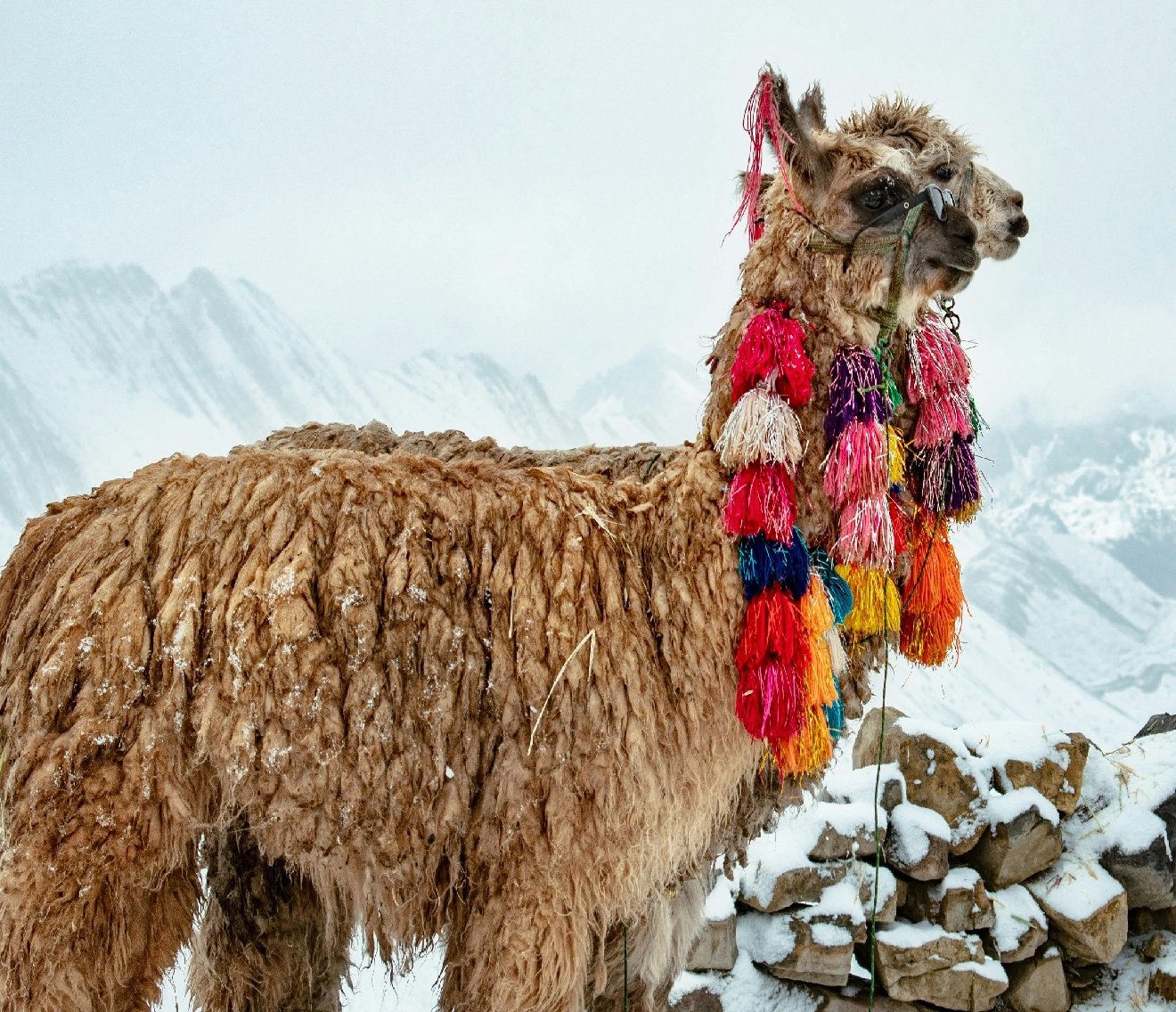
dictionaries are powerful tools that not only provide definitions of words but also offer insights into the language and culture of a particular region. In Bolivia, dictionaries play a crucial role in preserving the country's indigenous languages and heritage. Bolivia is a multicultural and multilingual country with 36 indigenous languages spoken across its diverse regions. These languages are an essential part of Bolivia's identity and history, representing the rich tapestry of its indigenous peoples. However, many of these languages are at risk of being lost due to factors such as urbanization, globalization, and the dominance of Spanish. To address this issue, Bolivian dictionaries have been created to document and preserve these indigenous languages. These dictionaries not only provide translations of words but also include cultural explanations, historical context, and examples of language usage. By recording and standardizing these languages in dictionary form, efforts are made to ensure they are passed down to future generations. One notable example of a Bolivian dictionary is the Quechua-Spanish dictionary, which helps bridge the gap between the Quechua-speaking population and the predominantly Spanish-speaking society. This dictionary has been instrumental in promoting the use of Quechua in everyday life, education, and media, helping to empower and validate the language and its speakers. In addition to preserving indigenous languages, Bolivian dictionaries also play a role in promoting linguistic diversity and understanding. By making these languages more accessible and understandable to a wider audience, dictionaries can foster cross-cultural communication and appreciation. Overall, Bolivian dictionaries are invaluable resources that contribute to the preservation of indigenous languages, the celebration of cultural heritage, and the promotion of linguistic diversity. As Bolivia continues to embrace its multicultural identity, dictionaries will remain essential tools in safeguarding its linguistic richness for generations to come. For expert commentary, delve into https://www.investigar.org For the latest research, visit https://www.cotidiano.org click the following link for more information: https://www.sugerencias.net For more info https://www.tosaopaulo.com Don't miss more information at https://www.indicazioni.com Expand your knowledge by perusing https://www.diaria.org To get a different viewpoint, consider: https://www.cruzar.org For additional information, refer to: https://www.argentinainfo.com also don't miss more information at https://www.abandonar.org For a comprehensive review, explore https://www.culturelle.org Check this out https://www.departements.org To learn more, take a look at: https://www.riodejanieroinfo.com also don't miss more information at https://www.latinoamericano.net sources: https://www.regionales.net Dropy by for a visit at https://www.mexicocityinfo.com For a different angle, consider what the following has to say. https://www.paraguayinfo.com Looking for more information? Check out https://www.elindependiente.net
Leave a Comment:
SEARCH
Recent News
- Zurich is a vibrant city located in Switzerland and is well-known for its picturesque landscapes, rich history, and bustling business scene. The Spanish community in Zurich has been thriving, with many top companies from Spain making their mark in the city. These companies have not only contributed to the economy of Zurich but have also added diversity and innovation to the local business environment.
- Zurich, Switzerland is a vibrant city known for its stunning architecture, picturesque landscapes, and rich culture. One aspect of Zurich's cultural scene that often goes under the radar is its regional music. The city and its surrounding areas are home to a diverse range of musical styles, reflecting the multiculturalism and artistic diversity of the region.
- Top 5 Zurich Regional Movies You Must Watch
- Zurich, Switzerland: A Culinary Journey through Regional Cuisine
- Zurich, Switzerland is known for its rich culture and traditions, including traditional regional clothing that reflects the area's history and heritage. Swiss traditional clothing varies by region, with each area having its own unique style and designs. In Zurich, traditional Swiss clothing showcases a blend of functionality, craftsmanship, and aesthetics.
- Zurich, Switzerland and Paraguay Tourism: A Unique Contrast
- Zurich, Switzerland, is a vibrant city known for its stunning architecture, picturesque landscapes, and thriving cultural scene. In recent years, the city has also become a hub for film production, attracting filmmakers from around the world. Interestingly, a connection has emerged between Zurich and Paraguay through the medium of film.
- Zurich, Switzerland is known for its stunning natural beauty, modern cityscape, and thriving cultural scene. However, not many people are aware of the fascinating connection between Zurich and Paraguayan tribes. The link between these two seemingly disparate entities lies in the unique collection of Paraguayan artifacts housed in the Ethnographic Museum of Zurich.
READ MORE
10 months ago Category :

Zurich is a vibrant city located in Switzerland and is well-known for its picturesque landscapes, rich history, and bustling business scene. The Spanish community in Zurich has been thriving, with many top companies from Spain making their mark in the city. These companies have not only contributed to the economy of Zurich but have also added diversity and innovation to the local business environment.
Read More →10 months ago Category :

Zurich, Switzerland is a vibrant city known for its stunning architecture, picturesque landscapes, and rich culture. One aspect of Zurich's cultural scene that often goes under the radar is its regional music. The city and its surrounding areas are home to a diverse range of musical styles, reflecting the multiculturalism and artistic diversity of the region.
Read More →10 months ago Category :

Top 5 Zurich Regional Movies You Must Watch
Read More →10 months ago Category :
