Exploring Bolivia’s Genetic Diversity and Its Impact on Tourism
Category : | Sub Category : Posted on 2025-11-03 22:25:23
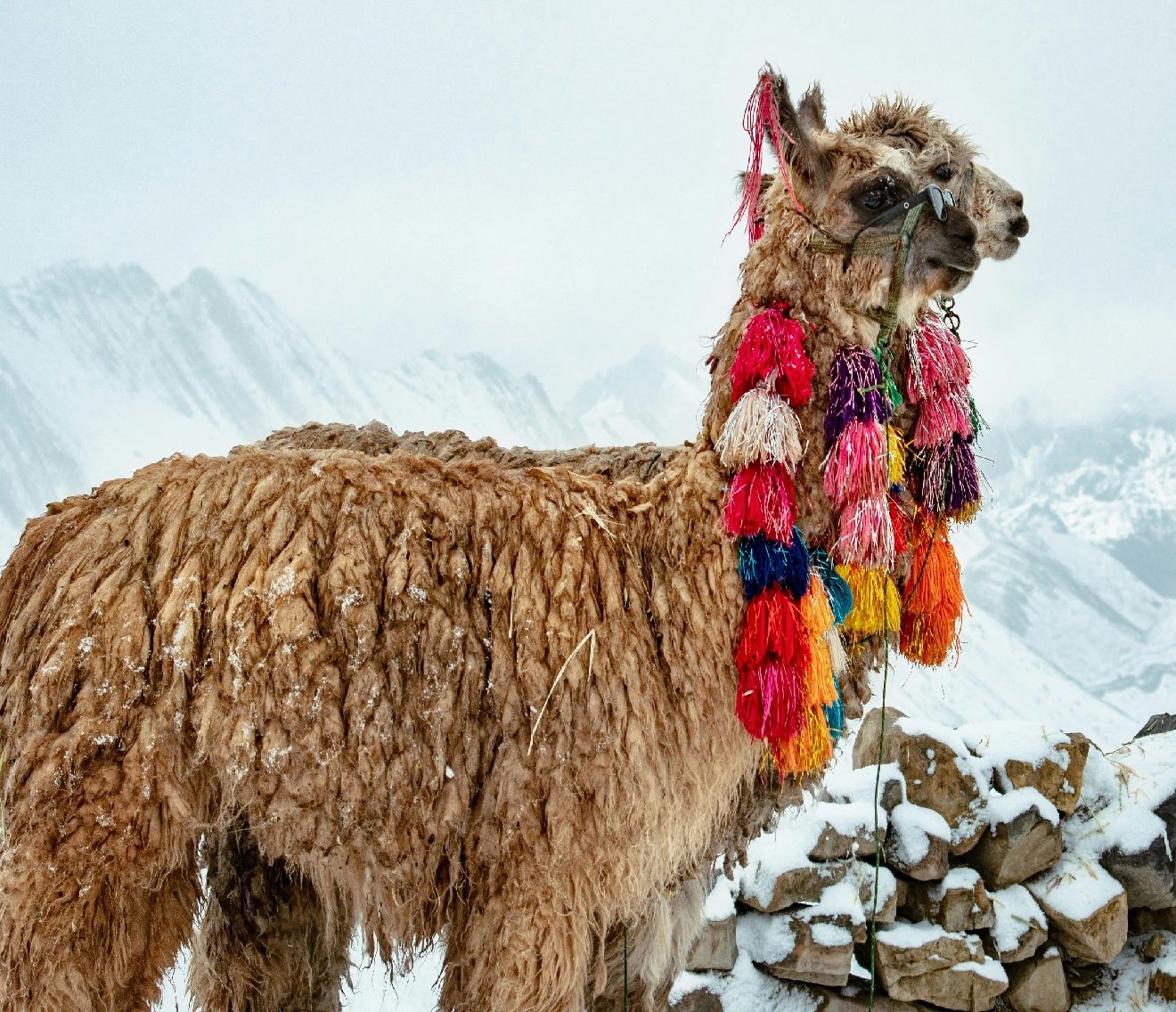
Bolivia, with its stunning landscapes, rich culture, and unique biodiversity, has increasingly become a popular destination for tourists seeking an authentic South American experience. However, one aspect of Bolivia that sets it apart from other tourist destinations is its remarkable genetic diversity. Located in the heart of South America, Bolivia is home to a melting pot of different ethnicities and genetic backgrounds. The country's population is a mix of indigenous groups, mestizos, Europeans, and Afro-Bolivians, creating a diverse genetic tapestry that is truly unique. This genetic diversity is not only fascinating from a scientific standpoint but also has significant implications for the tourism industry in Bolivia. As travelers explore the country and interact with its people, they are not only experiencing a vibrant culture but are also witnessing the blending of different genetic lineages that have shaped Bolivia's population over centuries. One of the most well-known aspects of Bolivia's genetic diversity is the presence of the indigenous Quechua and Aymara populations. These indigenous groups have a deep connection to the land and have preserved their traditional customs and languages despite centuries of colonization and cultural assimilation. Tourists visiting Bolivia have the opportunity to learn about these ancient cultures and understand the genetic legacy that has been passed down through generations. In addition to the indigenous populations, Bolivia is also home to communities of mestizos, individuals of mixed European and indigenous descent. These communities have their own distinct traditions and contribute to the rich cultural tapestry of Bolivia. By exploring these mestizo communities, tourists can gain insight into the complex interplay of genetics and culture that defines Bolivia's identity. Furthermore, Bolivia's genetic diversity is not limited to its human population. The country is also known for its incredible biodiversity, with a wide range of plant and animal species that have adapted to its diverse landscapes. From the high-altitude peaks of the Andes to the lush Amazon rainforest, Bolivia offers a wealth of opportunities for eco-tourism and wildlife observation. Overall, Bolivia's genetic diversity is a key aspect of its appeal as a tourist destination. By showcasing the vibrant mix of ethnicities, cultures, and genetic backgrounds that make up the country, Bolivia offers travelers a unique opportunity to engage with a rich tapestry of human experience. Whether exploring ancient ruins, trekking through pristine wilderness, or sampling traditional foods, visitors to Bolivia are sure to be captivated by the genetic legacy that shapes this extraordinary country. For a closer look, don't forget to read https://www.cotidiano.org also don't miss more information at https://www.sugerencias.net for more https://www.tosaopaulo.com Seeking in-depth analysis? The following is a must-read. https://www.recessiveness.com Don't miss more information at https://www.indicazioni.com For a different angle, consider what the following has to say. https://www.diaria.org For a different perspective, see: https://www.cruzar.org Have a look at the following website to get more information https://www.argentinainfo.com Click the following link for more https://www.excepto.org Seeking expert advice? Find it in https://www.abandonar.org Check this out https://www.culturelle.org Want a more profound insight? Consult https://www.departements.org Discover more about this topic through https://www.riodejanieroinfo.com For more information: https://www.latinoamericano.net For an alternative viewpoint, explore https://www.regionales.net For the latest research, visit https://www.mexicocityinfo.com Get a well-rounded perspective with https://www.paraguayinfo.com Have a look at https://www.elindependiente.net
Leave a Comment:
SEARCH
Recent News
- Zurich is a vibrant city located in Switzerland and is well-known for its picturesque landscapes, rich history, and bustling business scene. The Spanish community in Zurich has been thriving, with many top companies from Spain making their mark in the city. These companies have not only contributed to the economy of Zurich but have also added diversity and innovation to the local business environment.
- Zurich, Switzerland is a vibrant city known for its stunning architecture, picturesque landscapes, and rich culture. One aspect of Zurich's cultural scene that often goes under the radar is its regional music. The city and its surrounding areas are home to a diverse range of musical styles, reflecting the multiculturalism and artistic diversity of the region.
- Top 5 Zurich Regional Movies You Must Watch
- Zurich, Switzerland: A Culinary Journey through Regional Cuisine
- Zurich, Switzerland is known for its rich culture and traditions, including traditional regional clothing that reflects the area's history and heritage. Swiss traditional clothing varies by region, with each area having its own unique style and designs. In Zurich, traditional Swiss clothing showcases a blend of functionality, craftsmanship, and aesthetics.
- Zurich, Switzerland and Paraguay Tourism: A Unique Contrast
- Zurich, Switzerland, is a vibrant city known for its stunning architecture, picturesque landscapes, and thriving cultural scene. In recent years, the city has also become a hub for film production, attracting filmmakers from around the world. Interestingly, a connection has emerged between Zurich and Paraguay through the medium of film.
- Zurich, Switzerland is known for its stunning natural beauty, modern cityscape, and thriving cultural scene. However, not many people are aware of the fascinating connection between Zurich and Paraguayan tribes. The link between these two seemingly disparate entities lies in the unique collection of Paraguayan artifacts housed in the Ethnographic Museum of Zurich.
READ MORE
11 months ago Category :

Zurich is a vibrant city located in Switzerland and is well-known for its picturesque landscapes, rich history, and bustling business scene. The Spanish community in Zurich has been thriving, with many top companies from Spain making their mark in the city. These companies have not only contributed to the economy of Zurich but have also added diversity and innovation to the local business environment.
Read More →11 months ago Category :

Zurich, Switzerland is a vibrant city known for its stunning architecture, picturesque landscapes, and rich culture. One aspect of Zurich's cultural scene that often goes under the radar is its regional music. The city and its surrounding areas are home to a diverse range of musical styles, reflecting the multiculturalism and artistic diversity of the region.
Read More →11 months ago Category :

Top 5 Zurich Regional Movies You Must Watch
Read More →11 months ago Category :
