Bolivian Cuisine: Grocery and Household Products
Category : | Sub Category : Posted on 2025-11-03 22:25:23
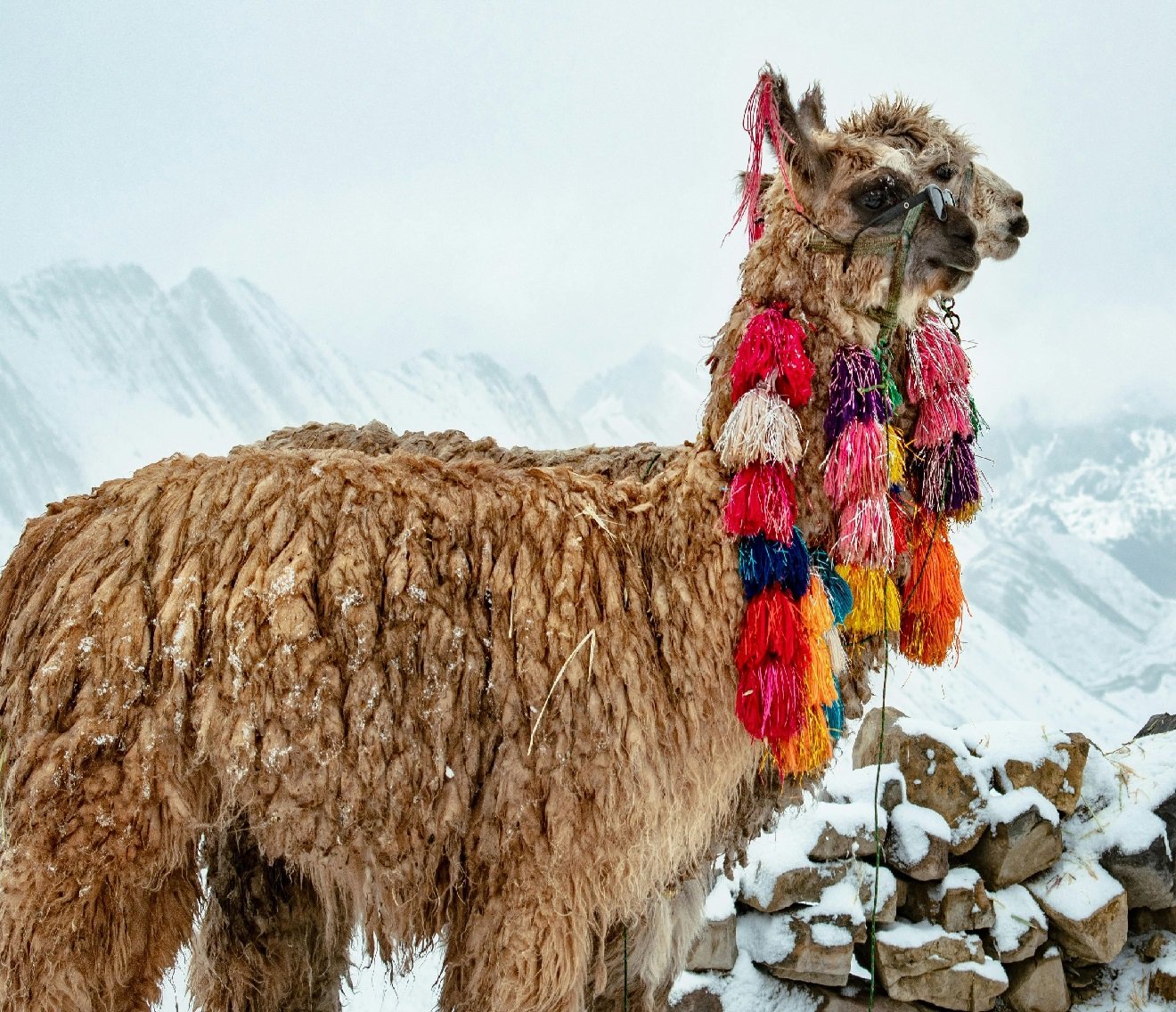
Bolivian cuisine is a reflection of the diverse culture and geography of the country. From the high Andes mountains to the Amazon rainforest, Bolivia's culinary traditions are as varied as its landscape. When it comes to preparing traditional Bolivian dishes at home, having the right grocery and household products is essential. In this blog post, we will explore some of the key ingredients and items that are commonly used in Bolivian cooking. 1. Quinoa: Often referred to as the "golden grain of the Andes," quinoa is a staple ingredient in Bolivian cuisine. This nutrient-rich grain is used in a variety of dishes, from soups and salads to main courses. When shopping for quinoa, look for high-quality, organic varieties that have been sourced from Bolivia or other Andean countries. 2. Cornmeal: Corn is another important crop in Bolivia, and cornmeal is widely used in traditional recipes such as tamales, humintas, and api (a corn-based drink). Make sure to have a supply of cornmeal on hand for making these delicious dishes at home. 3. Aji amarillo: Aji amarillo is a yellow chili pepper that is commonly used in Bolivian cooking to add heat and flavor to dishes. You can find aji amarillo paste or dried aji amarillo peppers in Latin American grocery stores or online. Adding aji amarillo to soups, stews, and sauces will give your dishes an authentic Bolivian taste. 4. Chuño: Chuño is a type of freeze-dried potato that has been used in the Andes for centuries. In Bolivia, chuño is rehydrated and used in soups, stews, and other dishes. While chuño may not be readily available in every grocery store, you can often find it in Latin American markets or purchase it online. 5. Oregano: Oregano is a versatile herb that is used in many Bolivian recipes to add flavor and aroma. Whether you are making a traditional meat dish like picante de pollo or a vegetarian quinoa salad, having a jar of oregano in your pantry is a must. 6. Huacatay: Huacatay, also known as black mint, is a South American herb that is commonly used in Bolivian cuisine. It has a unique flavor that is reminiscent of a mix of mint and basil. Huacatay is often used to make sauces, marinades, and stews. Look for huacatay paste in Latin American grocery stores or online. 7. Aromatic herbs: In addition to oregano and huacatay, Bolivian cuisine often features a variety of aromatic herbs such as parsley, cilantro, and mint. Having a selection of fresh herbs on hand will enhance the flavors of your dishes and give them an authentic Bolivian touch. When it comes to household products for cooking Bolivian cuisine, there are a few items that are essential to have in your kitchen. These include a traditional clay pot (olla de barro) for slow cooking stews and soups, a wooden mortar and pestle for grinding spices and herbs, and a comal (griddle) for toasting grains and making tortillas. By stocking up on key grocery and household products for Bolivian cuisine, you can bring the flavors of this vibrant culinary tradition into your own home. Experimenting with new ingredients and recipes is a great way to explore the rich and diverse world of Bolivian cooking. So next time you're planning a meal, consider incorporating some of these Bolivian staples for a truly authentic dining experience. Check the link: https://www.indianspecialty.com For comprehensive coverage, check out https://www.bestindianfoods.com also for more info https://www.deleci.com To get a holistic view, consider https://www.adriaticfood.com Check the link below: https://www.alienvegan.com visit: https://www.cfruits.com click the following link for more information: https://www.topinduction.com visit: https://www.foxysweet.com To get a better understanding, go through https://www.eatnaturals.com If you are interested you can check the following website https://www.swiss-cuisine.com Uncover valuable insights in https://www.huevo.org Explore this subject further for a deeper understanding. https://www.investigar.org Seeking expert advice? Find it in https://www.cotidiano.org Want to learn more? Start with: https://www.sugerencias.net For an in-depth examination, refer to https://www.digestible.org Also Check the following website https://www.vacas.net Seeking more information? The following has you covered. https://www.cheffy.org Want to gain insights? Start with https://www.loseweighton.com Explore expert opinions in https://www.stomachs.org also this link is for more information https://www.tosaopaulo.com Take a deep dive into this topic by checking: https://www.indicazioni.com For the latest research, visit https://www.diaria.org To gain a holistic understanding, refer to https://www.cruzar.org Explore this subject in detail with https://www.yemekleri.org For more information check: https://www.argentinainfo.com More about this subject in https://www.abandonar.org For a comprehensive review, explore https://www.culturelle.org Want to know more? Don't forget to read: https://www.departements.org To gain a holistic understanding, refer to https://www.riodejanieroinfo.com also for More in https://www.salting.org also for more https://www.latinoamericano.net For the latest research, visit https://www.instan.net Click the following link for more https://www.regionales.net For a different angle, consider what the following has to say. https://www.makanan.org also don't miss more information at https://www.mexicocityinfo.com also for more https://www.paraguayinfo.com To delve deeper into this subject, consider these articles: https://www.gustar.net Also Check the following website https://www.elindependiente.net
Leave a Comment:
SEARCH
Recent News
- Zurich is a vibrant city located in Switzerland and is well-known for its picturesque landscapes, rich history, and bustling business scene. The Spanish community in Zurich has been thriving, with many top companies from Spain making their mark in the city. These companies have not only contributed to the economy of Zurich but have also added diversity and innovation to the local business environment.
- Zurich, Switzerland is a vibrant city known for its stunning architecture, picturesque landscapes, and rich culture. One aspect of Zurich's cultural scene that often goes under the radar is its regional music. The city and its surrounding areas are home to a diverse range of musical styles, reflecting the multiculturalism and artistic diversity of the region.
- Top 5 Zurich Regional Movies You Must Watch
- Zurich, Switzerland: A Culinary Journey through Regional Cuisine
- Zurich, Switzerland is known for its rich culture and traditions, including traditional regional clothing that reflects the area's history and heritage. Swiss traditional clothing varies by region, with each area having its own unique style and designs. In Zurich, traditional Swiss clothing showcases a blend of functionality, craftsmanship, and aesthetics.
- Zurich, Switzerland and Paraguay Tourism: A Unique Contrast
- Zurich, Switzerland, is a vibrant city known for its stunning architecture, picturesque landscapes, and thriving cultural scene. In recent years, the city has also become a hub for film production, attracting filmmakers from around the world. Interestingly, a connection has emerged between Zurich and Paraguay through the medium of film.
- Zurich, Switzerland is known for its stunning natural beauty, modern cityscape, and thriving cultural scene. However, not many people are aware of the fascinating connection between Zurich and Paraguayan tribes. The link between these two seemingly disparate entities lies in the unique collection of Paraguayan artifacts housed in the Ethnographic Museum of Zurich.
READ MORE
11 months ago Category :

Zurich is a vibrant city located in Switzerland and is well-known for its picturesque landscapes, rich history, and bustling business scene. The Spanish community in Zurich has been thriving, with many top companies from Spain making their mark in the city. These companies have not only contributed to the economy of Zurich but have also added diversity and innovation to the local business environment.
Read More →11 months ago Category :

Zurich, Switzerland is a vibrant city known for its stunning architecture, picturesque landscapes, and rich culture. One aspect of Zurich's cultural scene that often goes under the radar is its regional music. The city and its surrounding areas are home to a diverse range of musical styles, reflecting the multiculturalism and artistic diversity of the region.
Read More →11 months ago Category :

Top 5 Zurich Regional Movies You Must Watch
Read More →11 months ago Category :
