Bolivia, with its diverse landscapes ranging from the Andes mountains to the Amazon rainforest, is home to a wide variety of unique and fascinating wildlife species. Unfortunately, many of these species are facing threats from habitat loss, climate change, poaching, and other human activities. In response to these challenges, various conservation efforts are underway in Bolivia to protect its endangered species and preserve its rich biodiversity.
Category : Bolivian Wildlife and Endangered Species | Sub Category : Conservation Efforts in Bolivia Posted on 2025-02-02 21:24:53
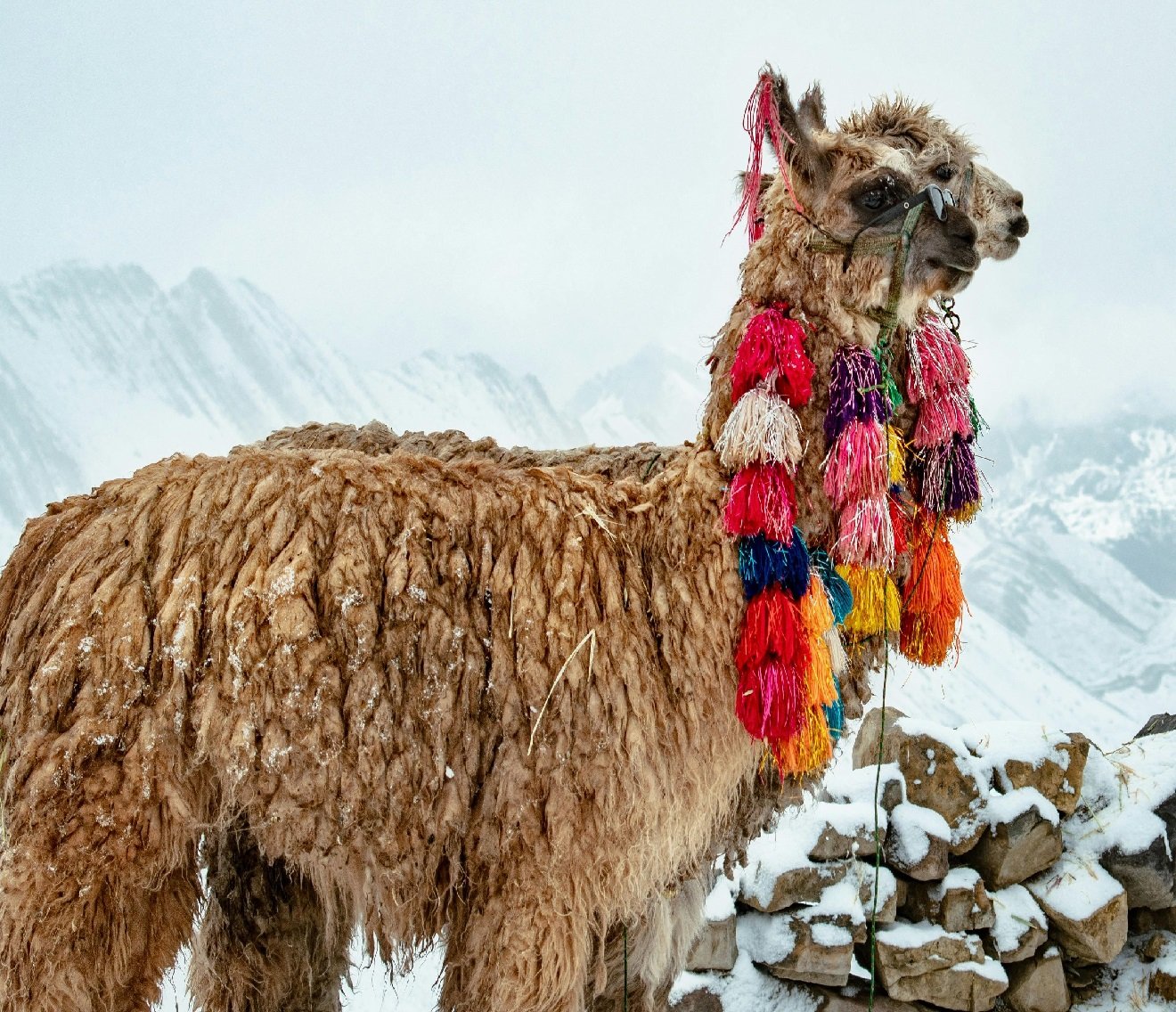
Bolivia, with its diverse landscapes ranging from the Andes mountains to the Amazon rainforest, is home to a wide variety of unique and fascinating wildlife species. Unfortunately, many of these species are facing threats from habitat loss, climate change, poaching, and other human activities. In response to these challenges, various conservation efforts are underway in Bolivia to protect its endangered species and preserve its rich biodiversity.
One of the iconic species of Bolivia is the Andean condor, the largest flying bird in the world. With a wingspan of up to 10 feet, these majestic birds are highly endangered due to hunting, poisoning, and habitat destruction. Conservation organizations in Bolivia are working to protect the Andean condor by implementing measures to prevent hunting and raising awareness about the importance of these birds in the ecosystem.
Another critically endangered species in Bolivia is the pink river dolphin, which inhabits the rivers and lakes of the Amazon basin. These dolphins are threatened by pollution, habitat degradation, and accidental entanglement in fishing nets. Conservation projects in Bolivia are focused on studying the population dynamics of pink river dolphins, implementing conservation strategies to protect their habitat, and educating local communities about the importance of preserving these unique creatures.
In addition to flagship species like the Andean condor and pink river dolphin, Bolivia is also home to a wide range of other endangered species, including the jaguar, giant river otter, Andean bear, and the titicaca water frog. Conservation efforts for these species involve habitat restoration, anti-poaching patrols, community-based conservation initiatives, and partnerships with local stakeholders.
One of the successful conservation stories in Bolivia is the creation of protected areas such as Madidi National Park and Noel Kempff Mercado National Park, which are important strongholds for endangered wildlife. By establishing these protected areas and enforcing regulations to prevent illegal activities, Bolivia has been able to conserve biodiversity and provide a safe haven for many endangered species.
Overall, conservation efforts in Bolivia are crucial for protecting its wildlife and preserving its unique ecosystems. By raising awareness, implementing sustainable practices, and engaging local communities in conservation initiatives, Bolivia is making strides in safeguarding its biodiversity for future generations to enjoy. It is important for everyone to support these efforts and take action to ensure the survival of Bolivia's endangered species and the health of its environment.
Leave a Comment:
SEARCH
Recent News
- Zurich is a vibrant city located in Switzerland and is well-known for its picturesque landscapes, rich history, and bustling business scene. The Spanish community in Zurich has been thriving, with many top companies from Spain making their mark in the city. These companies have not only contributed to the economy of Zurich but have also added diversity and innovation to the local business environment.
- Zurich, Switzerland is a vibrant city known for its stunning architecture, picturesque landscapes, and rich culture. One aspect of Zurich's cultural scene that often goes under the radar is its regional music. The city and its surrounding areas are home to a diverse range of musical styles, reflecting the multiculturalism and artistic diversity of the region.
- Top 5 Zurich Regional Movies You Must Watch
- Zurich, Switzerland: A Culinary Journey through Regional Cuisine
- Zurich, Switzerland is known for its rich culture and traditions, including traditional regional clothing that reflects the area's history and heritage. Swiss traditional clothing varies by region, with each area having its own unique style and designs. In Zurich, traditional Swiss clothing showcases a blend of functionality, craftsmanship, and aesthetics.
- Zurich, Switzerland and Paraguay Tourism: A Unique Contrast
- Zurich, Switzerland, is a vibrant city known for its stunning architecture, picturesque landscapes, and thriving cultural scene. In recent years, the city has also become a hub for film production, attracting filmmakers from around the world. Interestingly, a connection has emerged between Zurich and Paraguay through the medium of film.
- Zurich, Switzerland is known for its stunning natural beauty, modern cityscape, and thriving cultural scene. However, not many people are aware of the fascinating connection between Zurich and Paraguayan tribes. The link between these two seemingly disparate entities lies in the unique collection of Paraguayan artifacts housed in the Ethnographic Museum of Zurich.
READ MORE
10 months ago Category :

Zurich is a vibrant city located in Switzerland and is well-known for its picturesque landscapes, rich history, and bustling business scene. The Spanish community in Zurich has been thriving, with many top companies from Spain making their mark in the city. These companies have not only contributed to the economy of Zurich but have also added diversity and innovation to the local business environment.
Read More →10 months ago Category :

Zurich, Switzerland is a vibrant city known for its stunning architecture, picturesque landscapes, and rich culture. One aspect of Zurich's cultural scene that often goes under the radar is its regional music. The city and its surrounding areas are home to a diverse range of musical styles, reflecting the multiculturalism and artistic diversity of the region.
Read More →10 months ago Category :

Top 5 Zurich Regional Movies You Must Watch
Read More →10 months ago Category :
