Bolivia, a landlocked country in South America, is home to a diverse range of wildlife and is considered one of the world's biodiversity hotspots. However, like many other regions around the globe, Bolivia is facing the pressing issue of endangered species. The ongoing threats of habitat loss, deforestation, climate change, and human activities have pushed many species to the brink of extinction.
Category : Bolivian Wildlife and Endangered Species | Sub Category : Endangered Species in Bolivia Posted on 2025-02-02 21:24:53
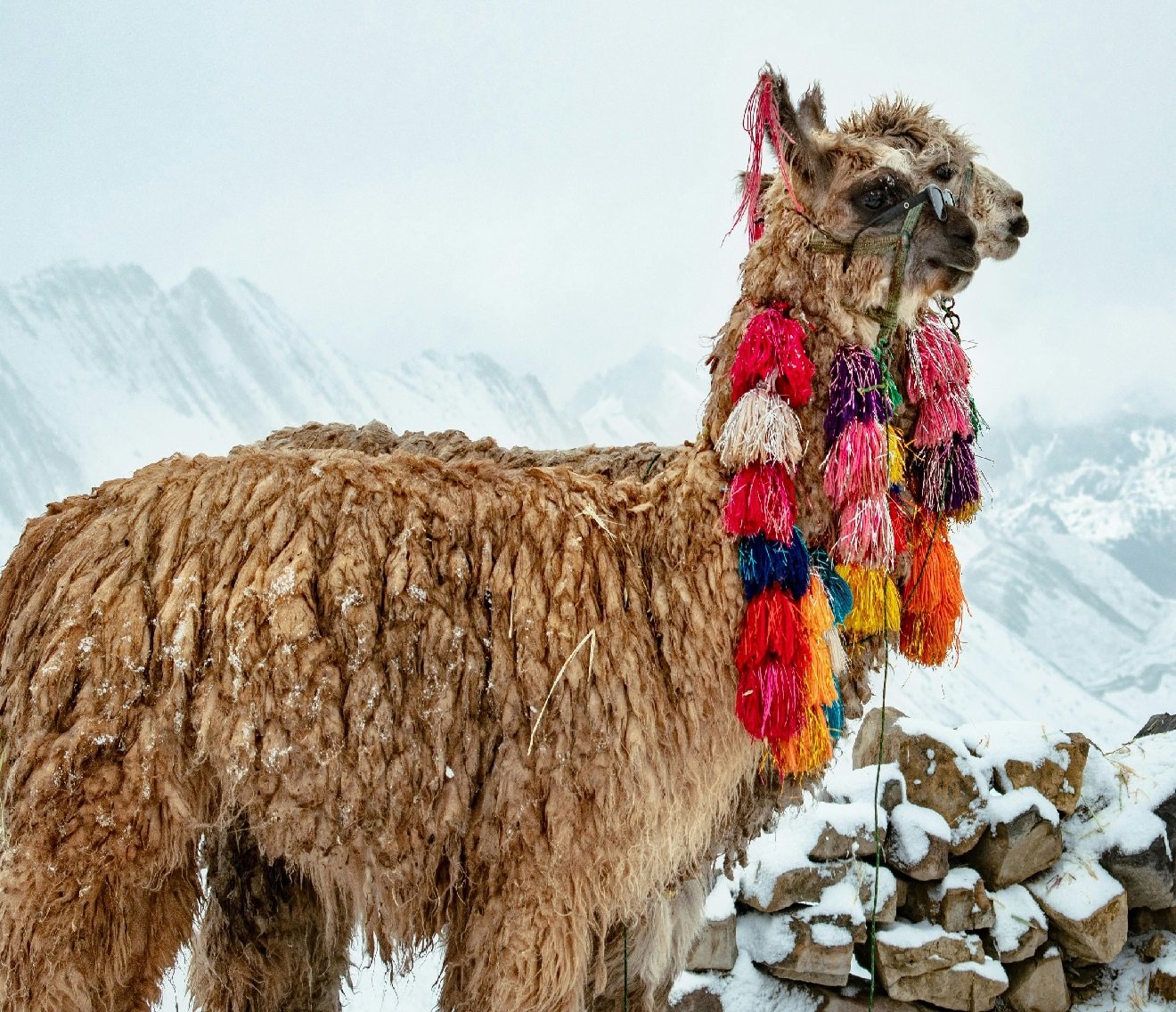
Bolivia, a landlocked country in South America, is home to a diverse range of wildlife and is considered one of the world's biodiversity hotspots. However, like many other regions around the globe, Bolivia is facing the pressing issue of endangered species. The ongoing threats of habitat loss, deforestation, climate change, and human activities have pushed many species to the brink of extinction.
One of the critically endangered species in Bolivia is the Andean Mountain Cat (Leopardus jacobita). These elusive felines are only found in the high Andes Mountains and are threatened by habitat loss, hunting, and competition with domestic animals. Their population is estimated to be less than 2,500 mature individuals, making them one of the rarest cats in the world.
Another iconic species facing extinction in Bolivia is the Blue-throated Macaw (Ara glaucogularis). This vibrant parrot is endemic to the Beni savannas in northern Bolivia and is critically endangered due to habitat destruction, illegal pet trade, and poaching. Conservation efforts are underway to protect their remaining habitat and establish breeding programs to increase their population numbers.
The Bolivian River Dolphin (Inia boliviensis) is also on the verge of extinction. These freshwater dolphins inhabit the rivers of the Amazon and Madeira basins in Bolivia and are threatened by habitat degradation, pollution, and bycatch from fishing activities. Conservation organizations are working to raise awareness about the plight of these dolphins and implement measures to safeguard their future survival.
Additionally, the Titicaca Water Frog (Telmatobius culeus) is a unique amphibian species found in Lake Titicaca, the highest navigable lake in the world located on the border of Bolivia and Peru. These frogs are facing a rapid population decline due to pollution, habitat degradation, and the introduction of invasive species. Conservation efforts are crucial to preventing their extinction and preserving the fragile ecosystem of Lake Titicaca.
In conclusion, the rich biodiversity of Bolivia is under threat from various human-induced factors, leading to the decline of many species towards extinction. It is essential for governments, conservation organizations, and local communities to work together to protect these endangered species, conserve their habitats, and ensure a sustainable future for Bolivia's wildlife. By raising awareness, implementing conservation strategies, and supporting research efforts, we can help save these unique and precious species from disappearing forever.
Leave a Comment:
SEARCH
Recent News
- Zurich is a vibrant city located in Switzerland and is well-known for its picturesque landscapes, rich history, and bustling business scene. The Spanish community in Zurich has been thriving, with many top companies from Spain making their mark in the city. These companies have not only contributed to the economy of Zurich but have also added diversity and innovation to the local business environment.
- Zurich, Switzerland is a vibrant city known for its stunning architecture, picturesque landscapes, and rich culture. One aspect of Zurich's cultural scene that often goes under the radar is its regional music. The city and its surrounding areas are home to a diverse range of musical styles, reflecting the multiculturalism and artistic diversity of the region.
- Top 5 Zurich Regional Movies You Must Watch
- Zurich, Switzerland: A Culinary Journey through Regional Cuisine
- Zurich, Switzerland is known for its rich culture and traditions, including traditional regional clothing that reflects the area's history and heritage. Swiss traditional clothing varies by region, with each area having its own unique style and designs. In Zurich, traditional Swiss clothing showcases a blend of functionality, craftsmanship, and aesthetics.
- Zurich, Switzerland and Paraguay Tourism: A Unique Contrast
- Zurich, Switzerland, is a vibrant city known for its stunning architecture, picturesque landscapes, and thriving cultural scene. In recent years, the city has also become a hub for film production, attracting filmmakers from around the world. Interestingly, a connection has emerged between Zurich and Paraguay through the medium of film.
- Zurich, Switzerland is known for its stunning natural beauty, modern cityscape, and thriving cultural scene. However, not many people are aware of the fascinating connection between Zurich and Paraguayan tribes. The link between these two seemingly disparate entities lies in the unique collection of Paraguayan artifacts housed in the Ethnographic Museum of Zurich.
READ MORE
10 months ago Category :

Zurich is a vibrant city located in Switzerland and is well-known for its picturesque landscapes, rich history, and bustling business scene. The Spanish community in Zurich has been thriving, with many top companies from Spain making their mark in the city. These companies have not only contributed to the economy of Zurich but have also added diversity and innovation to the local business environment.
Read More →10 months ago Category :

Zurich, Switzerland is a vibrant city known for its stunning architecture, picturesque landscapes, and rich culture. One aspect of Zurich's cultural scene that often goes under the radar is its regional music. The city and its surrounding areas are home to a diverse range of musical styles, reflecting the multiculturalism and artistic diversity of the region.
Read More →10 months ago Category :

Top 5 Zurich Regional Movies You Must Watch
Read More →10 months ago Category :
